Request Quote
Scan the QR code below to connect with us on WhatsApp.

Request Quote
Scan the QR code below to connect with us on WhatsApp.
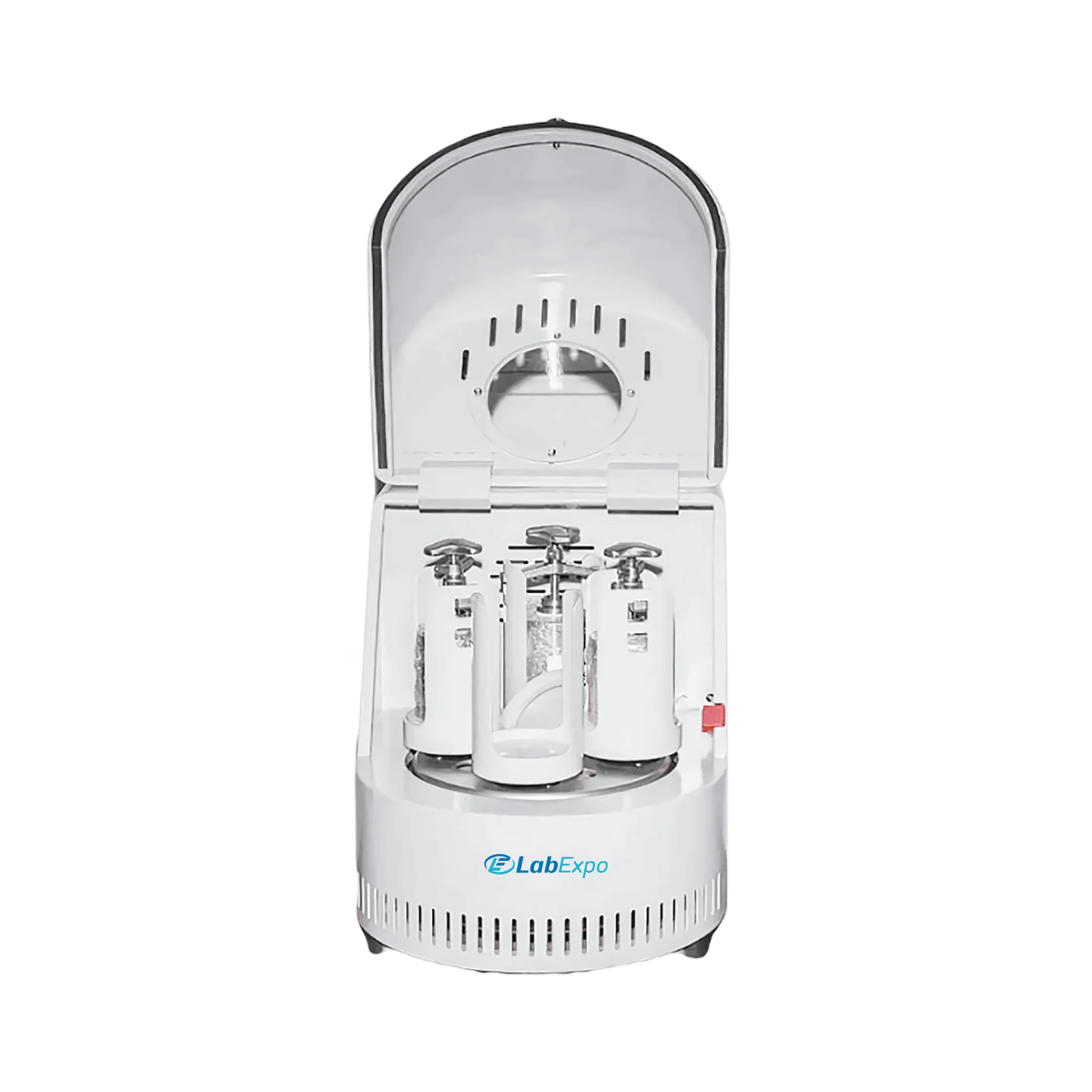
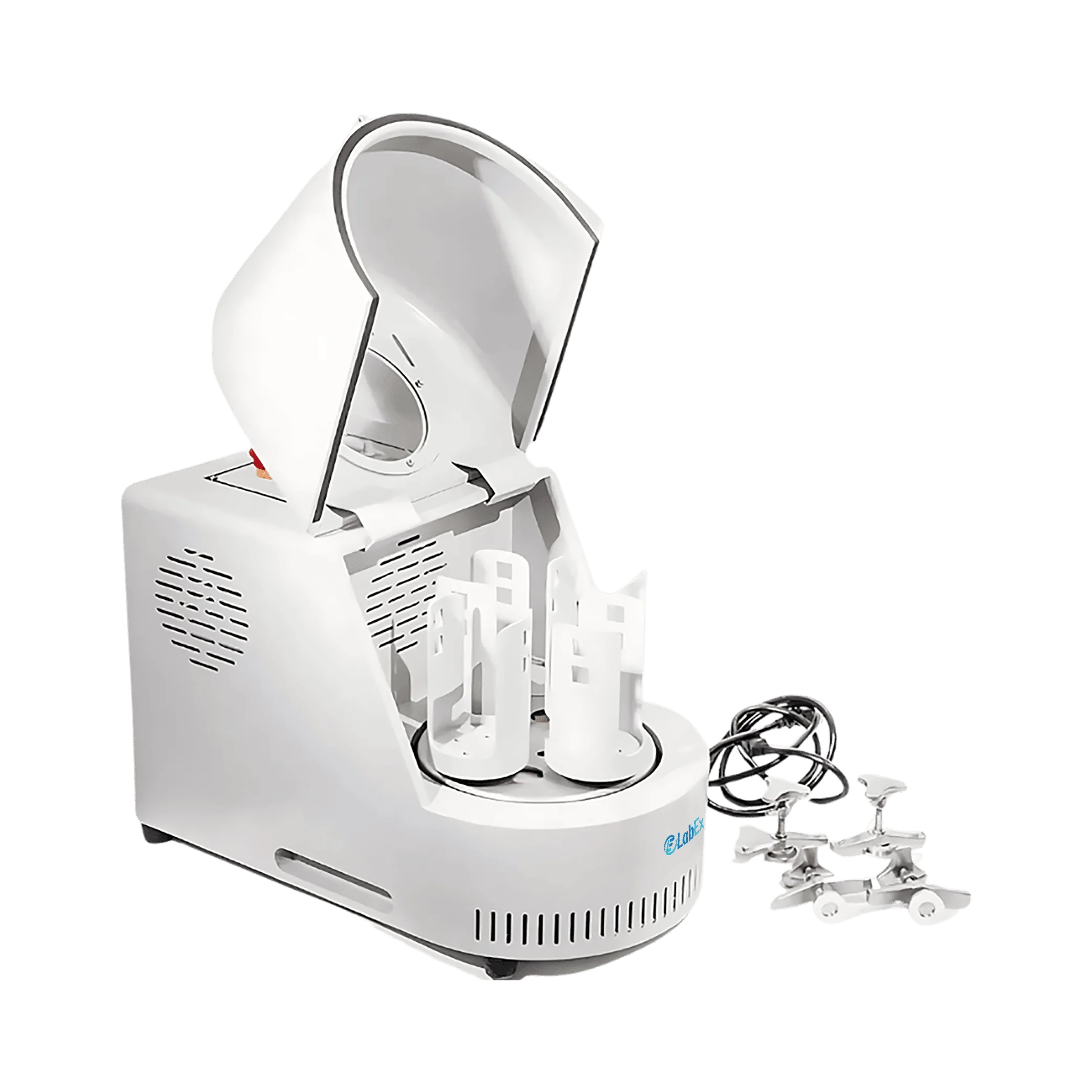
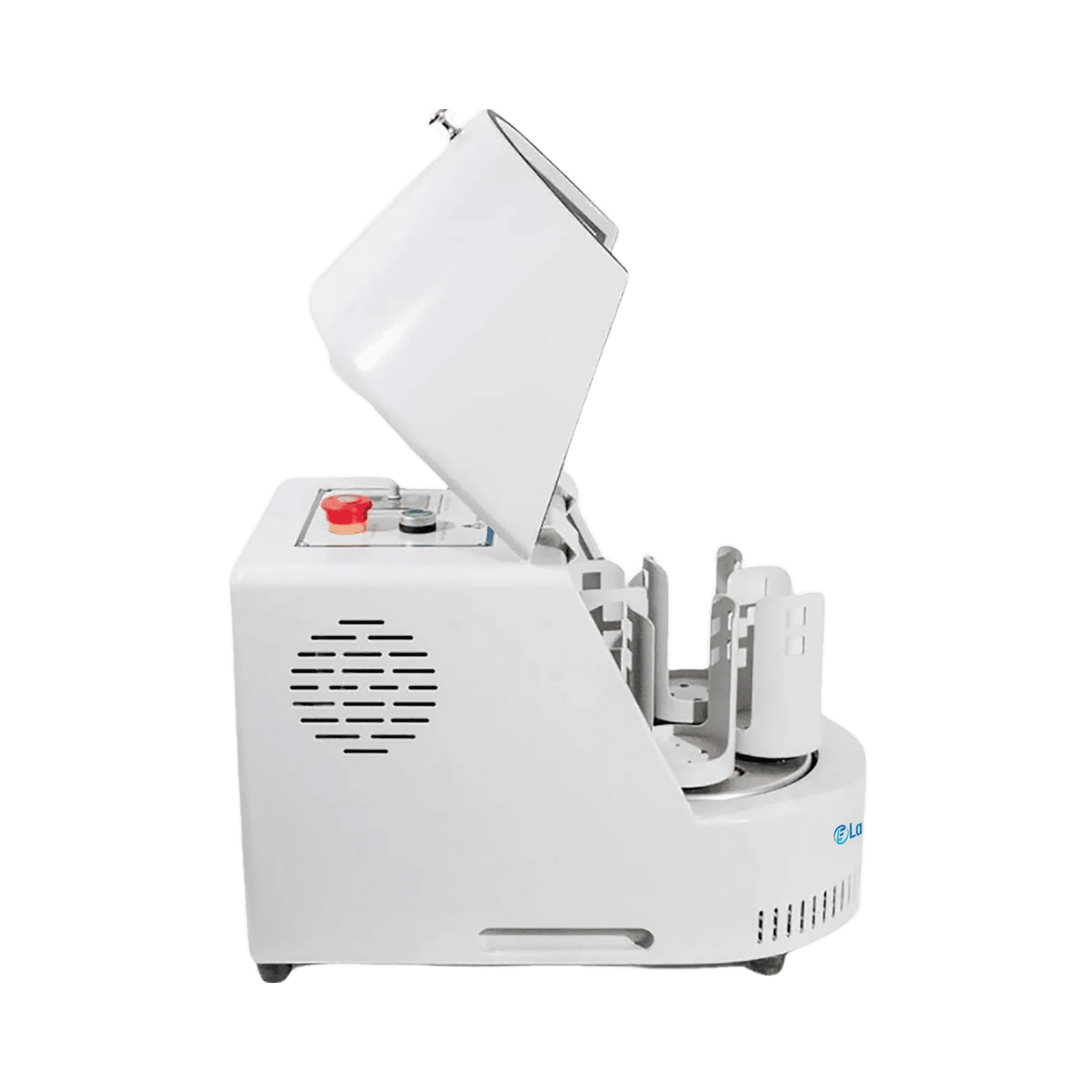
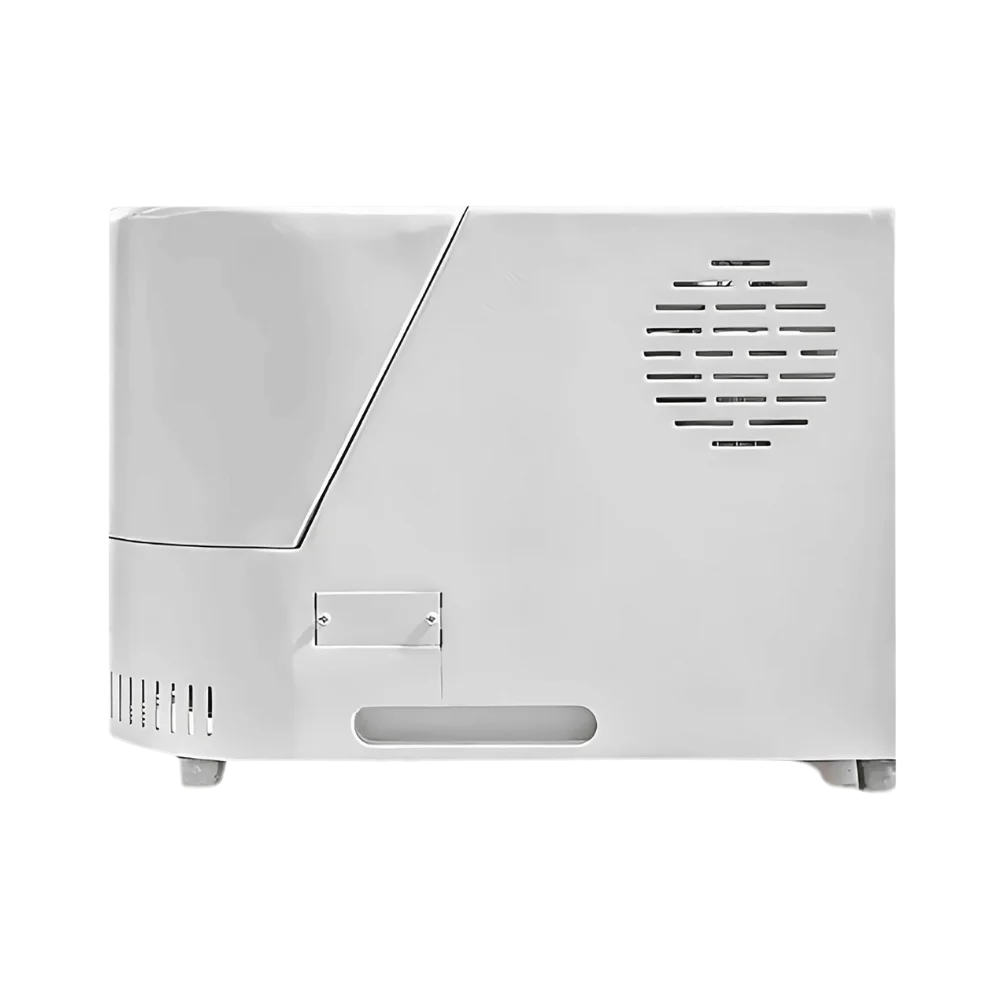
Vertical Planetary Ball Mill 50-VPBM100 has 50 ml grinding jars and operates at a revolution speed of 60 to 580 rpm. It is intended for both wet and dry grinding, using small designs that are highly efficient. It has a temperature control option for studies under controlled conditions. Our vertical planetary ball mill includes programmed settings for convenient operation and data collecting.
$6,914.00 $ 5762
Specifications
| Size of Jar | 50 ml |
| Rotation Speed | 120 to 1160 rpm |
| Revolution Speed | 60 to 580 rpm |
| Time | 72 hrs. |
| Noise | 50 dB |
| Material of Jar | Zirconia |
| Voltage | 1 PH, 220 V, 50 Hz |
| Power Consumption | 0.09 KW |
| Dimension (W× D× H) | 250 × 425 × 280 mm |
| Weight | 24 Kg |
Features
Applications
Function Implementation Material research Precision grinding of samples for analysis Laboratory milling Wet & dry grinding for small batch samples Ceramic & powder preparation Fine particle production for testing R&D labs Mixing and size reduction for research work Educational use Teaching granular mechanics & materials science
Optional Accessories
Grinding Jar 2pc Grinding Balls 2pc
1: Which grinding modes can the 50-VPBM100 perform?
It is designed for both wet and dry grinding applications.
2: Which feature allows operation under precise thermal conditions?
A temperature control option enables studies under controlled conditions.
3: Which jar material is provided as standard with this model?
They come with zirconia grinding jars for durability and contamination-free results.
4: Which settings make operation and data collection more convenient?
These ball mills are programmed settings with a digital display simplify control and recording.
5: Which types of laboratory work is the 50-VPBM100 best suited for?
Our Vertical Planetary Ball Mill is ideal for material research, sample mixing, and small-scale or batch processing.
6: What makes vertical grinding jars more effective in Ball Mill Grinders?
Vertical grinding jars promote a more even distribution of grinding media and sample materials. This enhances mixing efficiency and grinding performance, making the process faster and more uniform.
7: How do programmable settings improve grinding efficiency?
By allowing exact control of operation cycles, programmable settings reduce manual intervention, minimize errors, and ensure consistent, repeatable results across multiple runs.
8: What does the digital display on a Ball Mill Grinder show, and how does it enhance operation?
The digital display on a Ball Mill Grinder provides real-time visibility of key operational parameters such as elapsed grinding time, program status and internal temperature. This allows users to monitor the grinding process with precision and make immediate adjustments if needed.
9: Why is temperature control important in the grinding process?
Temperature control prevents heat-sensitive samples from degrading and ensures uniform grinding conditions, especially for long duration or high-energy milling operations.
10: How does the safety interlock system work in the Ball Mill Grinder?
The safety interlock prevents the machine from operating if the jar is not properly secured or the lid is open. This ensures operator safety and prevents mechanical damage.
Lab Expo Ball Mill Grinders drive controlled wet and dry grinding operations where precise particle size reduction and repeatable milling conditions are critical for material processing. This laboratory grinding machine operates with adjustable rotation speed and vertical grinding jars to ensure uniform mixing and consistent grinding results. Digital controls manage programmed operation and monitoring, while an integrated safety interlock and temperature control system support stable, continuous grinding performance.