Request Quote
Scan the QR code below to connect with us on WhatsApp.

Request Quote
Scan the QR code below to connect with us on WhatsApp.
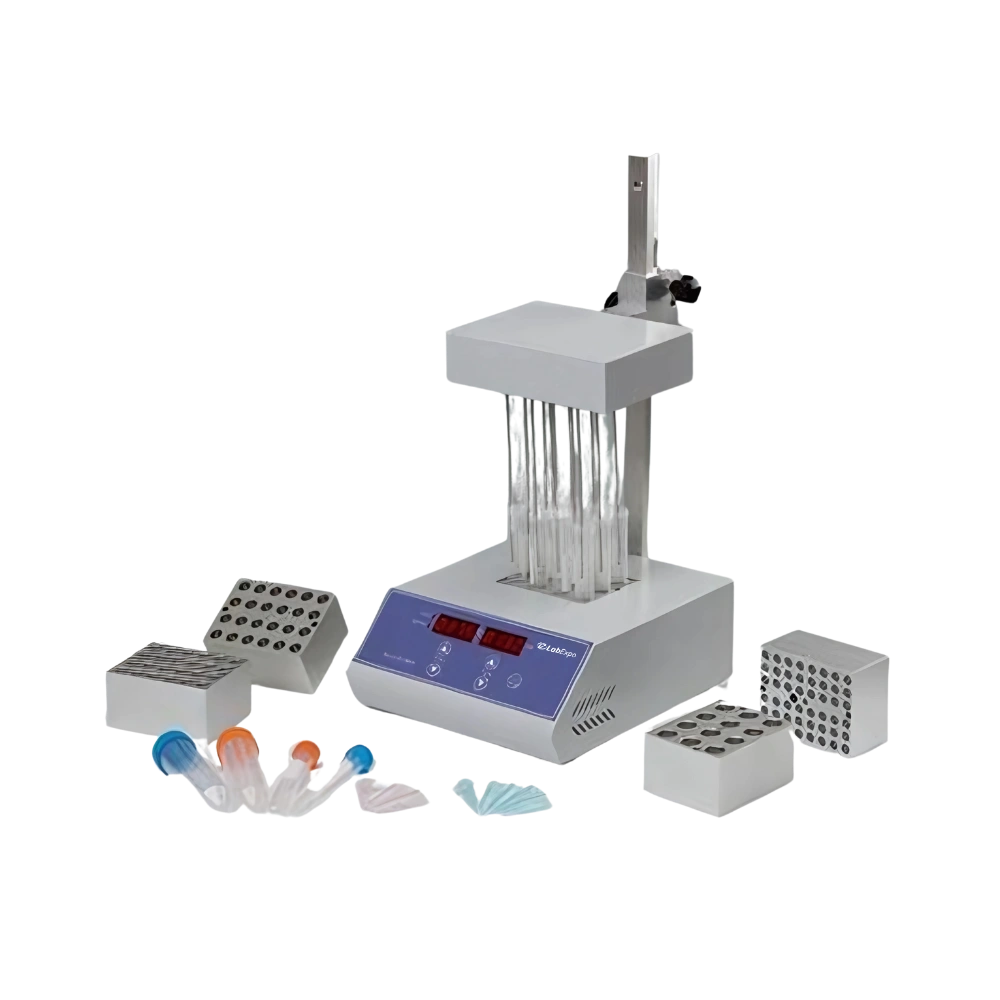
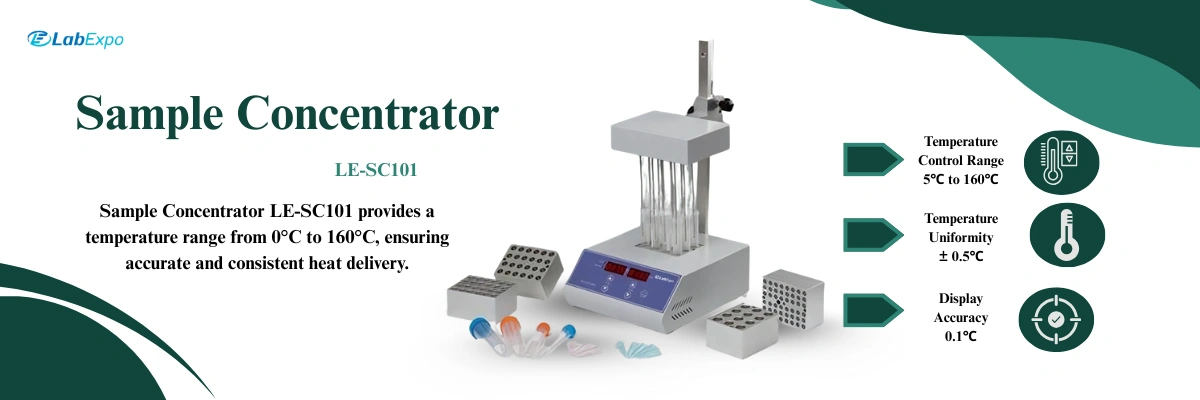
Sample Concentrator LE-SC101 provides a temperature range from 0°C to 160°C, ensuring accurate and consistent heat delivery. Equipped with nitrogen flow rate of 15L per minute for smooth and uniform evaporation. Built in with a high-resolution digital display for precise monitoring and control. Our Sample Concentrator ensures streamlined performance and dependable temperature reliability.
Specifications
| Temperature Range | 0℃ to 160℃ |
| Temperature Control Range | 5℃ to 160℃ |
| Block Quantity | 1 |
| Time Range | 1min to 99min 59sec |
| Temperature Accuracy | ± 0.5℃ (at 40℃) ± 1℃ (at 120℃) |
| Temperature Uniformity | ± 0.5℃ |
| Display Accuracy | 0.1℃ |
| Heating Time | ≤ 15 min |
| Maximum Vertical Travel | 200 mm |
| Nitrogen Flow Rate | 15 L/min |
| Nitrogen Pressure | 0.02 MPa (Gas Needle ≤16pcs) |
| Power Consumption | 300W |
| Power Supply | AC 220/110V, 50/60 Hz |
| Dimension | 260 × 220 × 450 |
| Weight | 7 Kg |
Features
Applications
Sample Concentrator LE-SC101 is suitable for residue analysis, pharmaceutical preparations, food quality testing, biological sample processing and environmental testing requiring precise nitrogen-based sample concentration in a stable thermal environment.
Optional Accessories
Block – 10mm × 24
Block – 12mm × 24
Block – 13mm × 24
Block – 15mm × 16
Block – 16mm × 16
Block – 19mm × 12
Block – 20mm × 12
Block – 26mm × 8
Block – 28mm × 4
Block – 40mm × 3
Block – 1.5ml × 24
Block – 2.0ml × 24
Flow control valve
1: Which applications are recommended for the Sample Concentrator?
It is widely used in residue analysis, pharmaceutical sample preparation, food quality testing, biological sample processing, and environmental studies.
2: How does the nitrogen flow system improve performance?
Our Sample Concentrator uses a 15 L/min nitrogen flow rate to ensure smooth and uniform evaporation without contamination.
3: What makes this concentrator reliable for laboratory use?
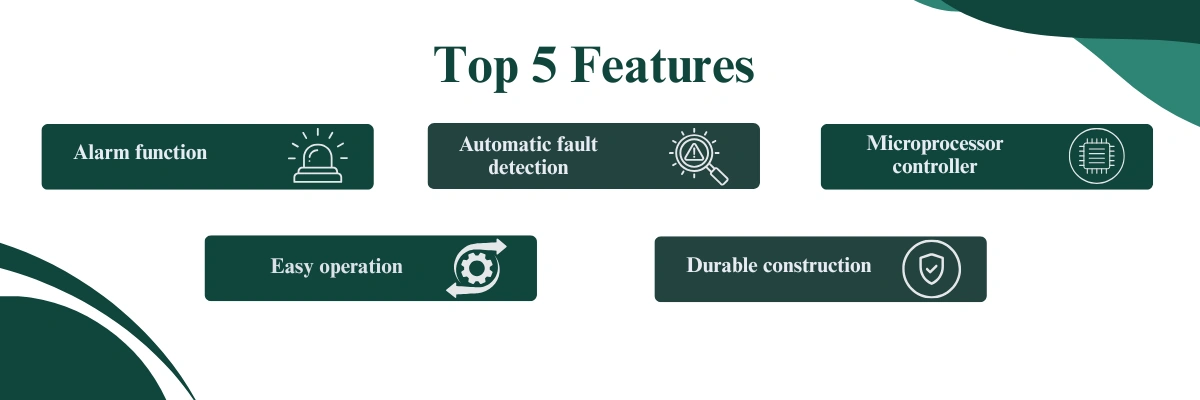
They are equipped with automatic fault detection, an alarm function, and a durable construction, ensuring consistent and safe operation.
4: Which temperature features support accurate sample concentration?
These units offer a 0°C to 160°C range with ±0.5°C accuracy, along with excellent temperature uniformity for precise heat delivery.
5: How user-friendly is the operation of this system?
Their digital display, microprocessor control, and easy operation features make it simple to monitor and manage concentration processes.
6: What is a Sample Concentrator and what is it used for?
A Sample Concentrator is a laboratory device used to evaporate solvents and concentrate multiple samples simultaneously.
7: What is nitrogen blowdown technology in a Sample Concentrator?
Nitrogen blowdown technology involves directing a stream of inert nitrogen gas onto the surface of liquid samples to accelerate solvent evaporation while minimizing oxidation or degradation.
8: How does the compact design benefit laboratory use?
The compact footprint minimizes the use of valuable bench space, making it ideal for crowded or space-limited laboratories without compromising performance.
9: Are these units easy to move or relocate?
Yes, their lightweight and compact design often make them portable and easy to reposition within the lab as needed.
10: Why is concentrating samples important in laboratory workflows?
Concentration improves analyte detectability, ensures more accurate analysis, and allows for better sensitivity in downstream testing methods.
Lab Expo Sample Concentrator is designed to efficiently evaporate solvents and concentrate samples in laboratory settings. They use advanced nitrogen blowdown technology to achieve rapid and uniform concentration. Their compact design saves bench space while supporting high-throughput workflows, making them suitable for busy laboratories with demanding evaporation needs. Our Sample Concentrator are ideal for use in pharmaceutical, food, environmental and clinical laboratories.
